Episode Transcript
[00:00:00] Speaker A: Yeah.
So has anyone seen Obsession?
[00:00:04] Speaker B: I have it like downloaded, like ready to go. But I heard that cat dies in the very beginning and I can't
[00:00:13] Speaker A: trigger
[00:00:14] Speaker C: woman scene is kind of rough. We went and watched it last weekend. I loved it. It was insane and I loved it. My boyfriend, not so much. I have been forbidden from making the face at home.
[00:00:29] Speaker A: Yeah, if you've been like a CIS man and dated a woman, this might be triggering for you.
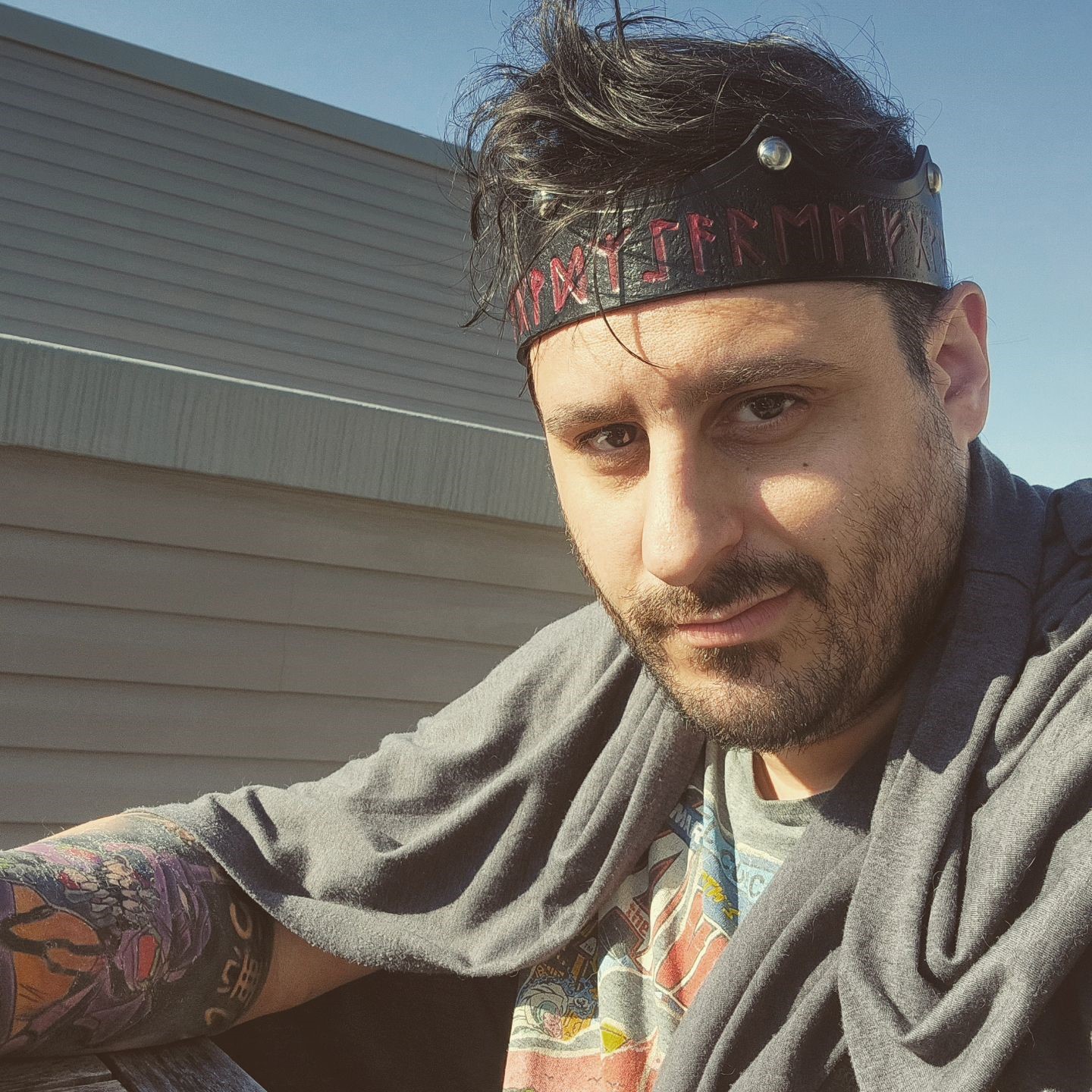
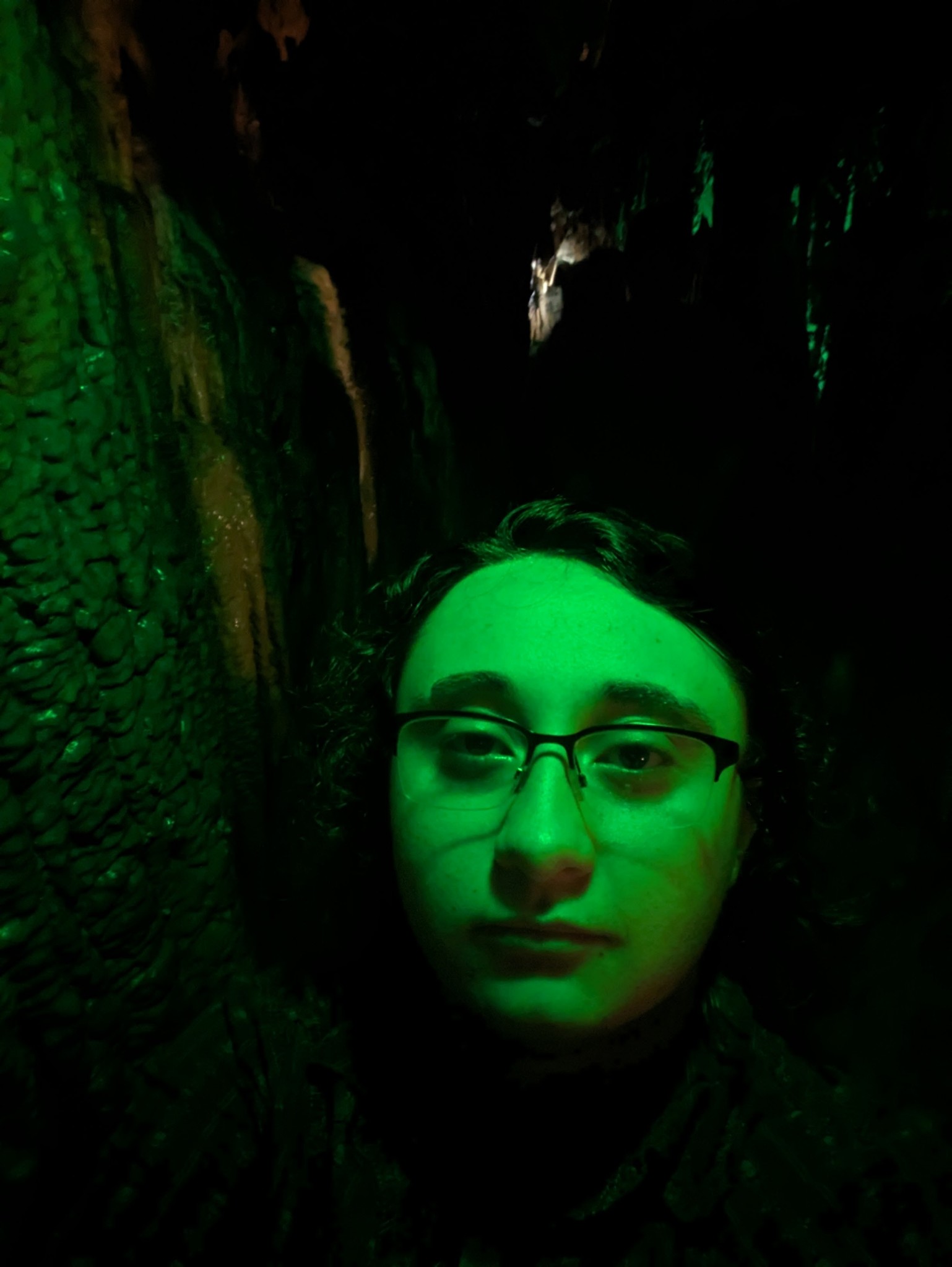
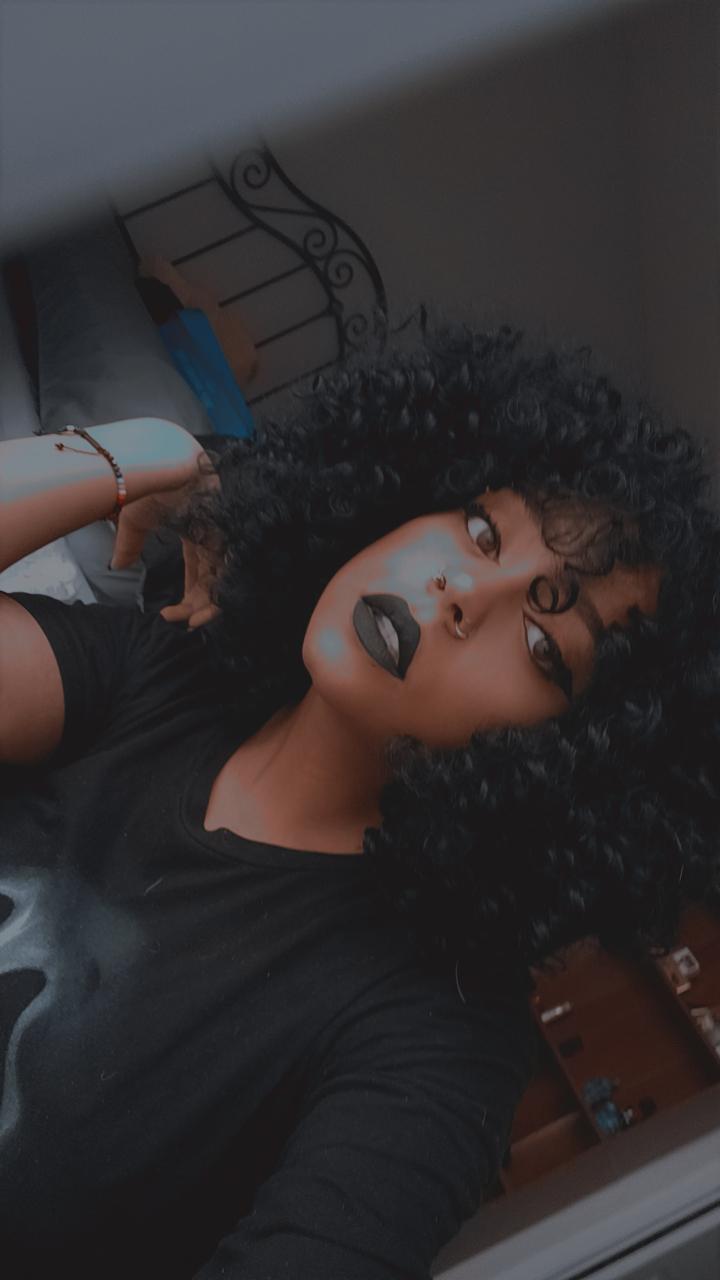
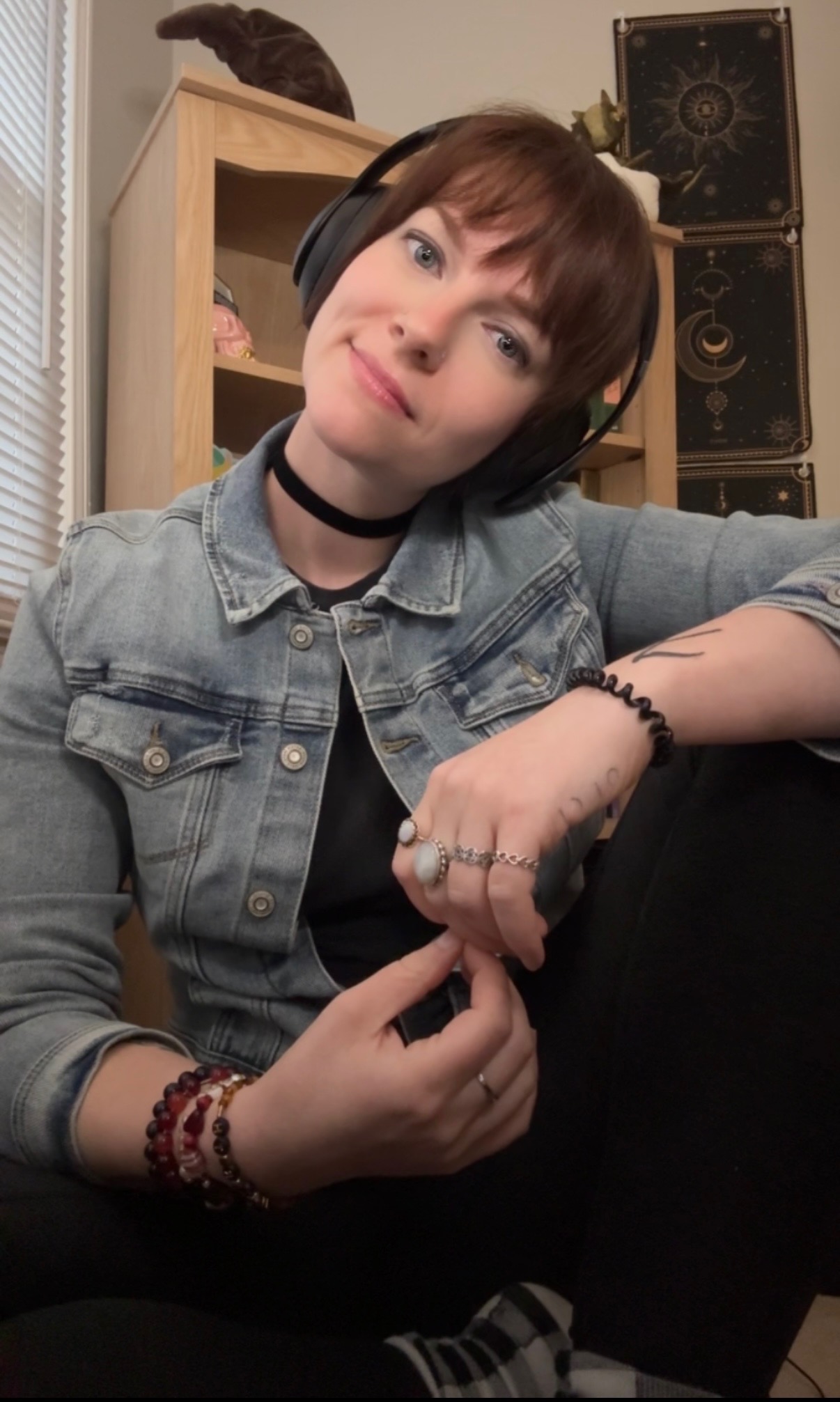
If you love cats and the thought of eating cats is horrifying. Maybe don't watch the movie, but yeah, speaking of relationships and gender norms, it's Pride Month. I'm King Loki, your host. This is Demon Toast, the podcast for gothic and horrific literature, which is an offshoot of Death Wish Poetry magazine. With me are my hosts, Luca. Hey, poet, awesome person. Erica, Poet, awesome person.
And Sybil, Poet, awesome person.
For Pride Month, we decided to cover something very special.
The well, second film from Jane Shenbren. I saw the TV glow. I saw it on Shudder, like when it premiered, but it is now on Tubi. Jane Shinbren is a trans non binary filmmaker and they're very cool. After having read a bunch from them and having watched this movie, I'm looking forward to their new one. I'm gonna read what they said in an interview with whyy.
Let's see. I saw the TV glow as a coming of age horror film following two teens, Owen and Maddie. Owen, I think is played by the guy from the Detective Pikachu movie, actually.
[00:01:46] Speaker C: Smith.
[00:01:46] Speaker B: Yes.
[00:01:47] Speaker A: Yeah, he's very he very good in this.
[00:01:51] Speaker C: He's so versatile.
[00:01:53] Speaker A: They're both outcasts in their 1990 suburban town. And their lifeline is a TV show called the Pink Opaque.
The Pink Opaque is a late night sci fi show about two teen girls with a psychic connection who fight off the monster of the week. Think Are you afraid of the dark? Crossed with Buffy the Vampire Slayer and Goosebumps. It's creepy, kind of mystical, and just a little too scary. Which is exactly why they love it. As they grow up and the show gets cancelled, Owen and Maddie's lives shift in unexpected ways. Their obsession with this TV show almost becomes a fixation or a way of hiding from darker things in their real life. Until they've realized that perhaps the show is more real than the reality that they're existing within. And look, this movie opens up with Justice Smith's character saying, it can't hurt you if you don't think about it.
This is a movie that is unabashedly about dysphoria. Transitioning, being an awkward teenager. And, you know, it's not just fixated on trans people because Maddie is, I believe, a lesbian. I mean, that's. That's how she describes herself, I think. Right.
[00:03:02] Speaker B: He just kind of describes it as, I like girls.
[00:03:05] Speaker A: I like girls.
[00:03:06] Speaker B: I'm pretty sure the actor playing Maddie is non binary, but.
[00:03:11] Speaker A: Yeah, okay, Important context.
[00:03:15] Speaker B: But when I watched the movie, I thought Maddie was non binary, but it never, like, specifies.
[00:03:20] Speaker D: That was my. That was my interpretation, too.
But, like, the movie doesn't really talk about gender at all explicitly.
[00:03:29] Speaker A: Yeah, it alludes to it, though, you know, because, like, you know, Justice Smith, of course, like, he's thinking about the show and he's having dreams about it. And, like, he.
[00:03:39] Speaker C: He.
[00:03:39] Speaker A: He sees the one girl as, like, sexy and powerful, and he sees himself wearing her clothes. He imagines himself running across the football field wearing her dress.
[00:03:50] Speaker C: I do really appreciate the ambiguity behind the character's sexualities because I think it lends itself to the story in multiple ways. Like, that overwhelming feeling of not really, like, knowing yourself, I would assume, and trying to familiarize yourself with, like, who you are as you're coming of age and into these aspects of your personality.
But it also.
The fact that it's not like, oh, yes, I am struggling with this specific aspect, and I'm telling you exactly that it does lend itself to the theory that Maddie is, like, a lesbian that's struggling with that aspect of her identity because she's being rejected from her friends.
Or she's a queer person who's not fully labeled yet because they're still exploring their identity. Or it's something as simple as, I like girls. And that's just how I see it. I've never thought about it beyond that because that's what's comfortable. Mm.
[00:04:50] Speaker B: I remember, like, the first time I watched it in the scene where Maddie, you know, tells Owen that she likes girls, and then she's like, what do you like? Do you like girls? Do you like boys? And Owen says, I think I just like watching TV shows.
Like, I remember just, like, weeping because I was like, that's so me. You know, like, that was definitely me when I was younger. Like, I just.
I. I felt that. That monologue he gave about how he feels like his insides have been scraped out, and he doesn't like looking in because he doesn't like knowing that they were. That there's something gross in there.
[00:05:29] Speaker A: Yes. Now, like, we've talked about this before on this show. I think it was on the. In the feminist one of the feminist horror episodes where a lot of male sexuality is performative.
We feel as men that we have to be like, I like Kat Dennings. I like girls. I like big tits. And other men will join and be like, me, too. You know.
[00:05:50] Speaker B: No, as a trans man, I'm definitely like that.
[00:05:54] Speaker A: It's part of masculinity. Right. And, like, you know, for better or worse gender. But what I'm saying is that, like, to the culture. Yeah, well, yeah, welcome to the culture. But, like, I'm just saying, like, I'm just saying that, like, for Justice Smith, that expectation is very stressful.
And he's like. He says, yeah, it feels like I. I've been scraped out and there's nothing in there. I like watching TV shows, and there's this theme of being empty and being filled with something which is very uncomfortable.
Maddie says later, like, I worked at Build a Bear Stuffing bears.
And it's very clear she didn't enjoy that. There's subtext there. There's a lot of subtext in this movie. When they're watching.
When they're watching the Pink Opaque. There's this Ice Cream man character, and he's very phallic. He has a very phallic head. He's spurting, like, gruesome white ice cream out of his head that is dripping down his smooth face.
And you could tell that it's horrifying for little Justice Smith's character, Owen, who doesn't want to be thinking about that stuff. And that's part of the appeal of the show. It's about these two girls facing off against, you know, these gendered, norm, normative monsters.
[00:07:12] Speaker B: I mean, the villain on the show is literally named Mr. Melancholy.
[00:07:17] Speaker A: Yeah.
[00:07:18] Speaker B: And one thing I think is really interesting about Mr. Melancholy is that he's the moon, which is typically depicted as female.
[00:07:25] Speaker A: It's generally an icon of femininity.
[00:07:27] Speaker B: I mean, there is the man of the moon and all that. But I think that definitely choosing to portray Mr. Melancholy as the moon was a very deliberate choice.
[00:07:38] Speaker A: It's a choice, and it ties into this essay that I endeavored to pull up. It's by a writer who goes by Ellie. They are trans themselves.
And she. They. I should say, they highlight that there's a cliche and trans narratives written by CIS people because they aren't sick, they aren't trans, they don't know. Right.
Which I call the dress revelation.
The moment where the protagonist tries on a dress and suddenly it all lines up and they're themselves now.
Right. Like, it's not that easy. And it's definitely not like that in this movie because, like, Owen never gets the chance to dress like a woman. It never quite happens. You know, Maddie vanishes under mysterious circumstances. Their TV is burning. It's all very odd.
And he goes through life kind of slotting into the role that's been laid out for him.
[00:08:32] Speaker B: I think that you are kind of making this very wonderful point that was summed up for me in a letterboxed review that I did save for this. But letterboxd user Paul in his review says a heartbreaking rejection of the typical idea of a coming of age movie. Owen will not enter the wardrobe. He will not follow the white rabbit. He will not go into the pink opaque. He will collapse inside himself and decay. Fantastic. Favorite movie of the year.
And I was like, that's really like, like, I think it's a good rejection of a coming of age movie. I also think it's a fantastic rejection of a horror movie. Like, it's a very quiet film, very colorful, but it feels like you spend the whole movie waiting for the drop, waiting for the big horrible thing to happen.
And even when the horrible things happen, even when Maddie disappears the first and second time, when Owen's mom dies, when Owen, both Owen's parents die off screen, and even when you get into that big scene at the ending where we see Owen's, you know, inside for that moment, it's never a big scary moment.
It's almost like that hollow feeling that he describes.
Like, you never feel scared, you feel like hurt. And I think that that kind of having that be written by a trans person for, you know, queer and trans and non binary people is very accurate. I think that I cannot speak for every trans person I know, but I, you know, have made a deliberate choice in my life to not start hormone replacement therapy yet.
That is entirely for my safety and the current political state.
And I feel like a lot of the times I do feel like Owen towards the end of the movie. And I know I'm trans, where Owen might not be, but I know that, like, it's that weird feeling of like, oh my God, I'm just gonna start screaming I'm dying.
And I'm not.
[00:10:57] Speaker A: I mean, that, that, that sequence where he's working his job and like we see him buying a big tv, he has a family. He addresses the fourth wall, which is super bizarro. He goes back and he watches those shows that were so frightening with the ice cream man, with the, with the green and the purple and the incredible effects and the horrifying, horrifying, horrifying. Mr. Melancholy. And it's. The characters aren't sexy. They're not sassy, they're jokes are lame. There's.
[00:11:25] Speaker B: There was more than two of them.
[00:11:27] Speaker A: There was more. Yeah. There were a whole bunch of kids. It looked like.
It looked like Pete and Pete or something, you know?
[00:11:34] Speaker B: Yeah.
[00:11:35] Speaker A: Who, speaking of which, are actually.
Adrian pointed out that they are actually in the movie, they play Marco and Polo, so.
[00:11:42] Speaker B: Oh, my God. Were they.
[00:11:44] Speaker A: Yeah, yeah, they're in full drag.
[00:11:47] Speaker B: Oh, my God.
[00:11:48] Speaker A: Yeah. I also love that it's Marco and Polo because what is that? That is a game where you try to find somebody out.
I also, I want to highlight the fact that, like, being queer, because when I was bisexual, when I was younger and I kind of suspected I might have been bisexual because I found men attractive, I was. So I. It took me a long time to realize that not everybody was like that. Even though they. They said they weren't like that. I was kind of like. I kind of came to realize that people actually didn't just like people of the same sex as. Well, some people were just straight. And there was this, like. Especially when I started hang, you know, coming to an age where I was around people that were crossing the. The bridge of puberty, there was this fear of being gay. Like, oh, I know I'm not gay. You know, it was like a common joke.
And like, I feel like being queer, it feeds into being nerdy and dorky because, like, you find yourself escaping into things.
[00:12:49] Speaker C: Right.
[00:12:49] Speaker A: For me, it was comic books, it was the Lord of the Rings, it was Harry Potter novels. And like, those become your friends, those become your worlds that you inhabit, much like the pink opaque. And when you go back to them and they aren't as good, or you find out that they're toxic, or they turn a corner like Harry Potter.
I don't even need to say anything.
[00:13:13] Speaker B: It's just.
[00:13:13] Speaker A: It's devastating.
Shone Brown talks a lot about how they watched TV obsessively, and that was their world. Right? And you know, this is a movie, like many movies that takes place in the suburbs, and the suburbs looks beautiful. It looks great.
But there's almost always more to that. The suburbs that I ended up living in when I moved in with my grandmother had a big heroin problem.
No one talked about it.
[00:13:46] Speaker B: I moved to a suburb last year and I, like, really loved the city that I moved out of. So, like, I still. I still like, if people are like, where do you live? I'm like, I live In Manchester, I don't say the name of the suburb that I live in, which I'm obviously not going to name on a thing that's going to go on the Internet. But it's literally like I was telling my friend, like, I was like, sometimes it literally feels like living in a horror movie out here because everyone is so delusional about such arbitrary things. Like I was in a grocery store that's right on the border of the city, which is a lower, you know, it has a higher crime rate than anywhere else in the state. And a woman in the grocery store literally on the border of this city goes, there's too many people from Manchester coming over in here.
[00:14:41] Speaker A: I was like, yeah, euphemism. Yeah, it's, it's.
[00:14:45] Speaker B: But yeah, like, I love horrors use of the suburbs lately because suburbs are horrifying.
[00:14:51] Speaker A: Yeah. Like weapons, Weapons made wonderful usage of the suburbs. Schoenberg says that talks about the suburbs though. You know, they say there's always a weird TV show for kids on tv. You know, I do think that's a time honored tradition that we still have today. But I do think there was something in the water in the early 90s. It was also hinting towards an underworld to the American suburbs that I had sensed at that point and that these shows sort of introduced me to. I think there were also though, feeding us back an idea that the American suburbs could be a place of magic and possibility.
But I think in another way, these were like corporate products from an ideology that was reinforcing something about the environment that I was being told was the epitome of normal and safe. And the key there is normal and safe. Right. The film works as a metaphor for what it feels like to be trans and not to transition.
And you know, that's analogous to someone who doesn't leave the suburbs ever. Like Owen. Right.
Because Maddie. Maddie leaves, Owen stays. He goes to his friend's house. Well, is it appropriate for me to say his? You're right, the movie doesn't really address gender in explicit terms. But you know, I do find that the dress revelation thing to be kind of crazy. Right. I had not thought about that. It's not something that I have seen very much in film or media. But is that something that you guys have experienced?
[00:16:14] Speaker B: Yeah, but like I'm the most cliche trans person in the world.
[00:16:18] Speaker A: What does that mean?
[00:16:22] Speaker B: Every. Every stereo typical. Like, like trans. Like, like I was born in the wrong body. I'm pretty sure was on my like 2007 deviant art page.
I. I Did have my dress revelation moment when I was much younger. I had a. One of those stupid. They were very stylish in the early 2000s, like the big puffy newsboy caps, you know, And I had my hair in a ponytail, and I tucked my ponytail into the hat, and I was like, holy shit, this is it.
So, you know, not every. Not every queer person has a dress revelation, but I definitely, definitely did.
[00:17:04] Speaker D: Yeah. I wouldn't say I ever had, like, a dress revelation. Like, as a teenager, I would enjoy wearing women's clothes from time to time, but I never really, like, thought about my own gender in that way until I was 21.
And then after that, I, like, would deliberate. I, like, deliberately went to thrift stores and tried on dresses and was like, oh, yeah, yeah, I like this. This is cool.
[00:17:31] Speaker A: Okay. Yeah. And, like, the point is that, like, that didn't automatically make everything make sense, did it?
[00:17:39] Speaker D: No, for me, my big revelatory moment was like, when I was on mushrooms.
[00:17:45] Speaker A: Right, Right. It wasn't. Cuz, like, I think the point was that, like, this movie avoids that cliche where it's like. Cuz, Luca, when you. When you. When you. When you were trying out, like, that. That hat and the ponytail look thing, did that make everything fall into place for you?
[00:17:59] Speaker B: I mean, definitely not, but it was. It was a big step.
[00:18:04] Speaker A: Okay.
[00:18:05] Speaker B: I think one of the things I really like and relate to about that movie is my revelation moment was watching tv because it was that Degrassi, all things introduced a.
A character who was a trans man and similarly to Owen. Actually, I went back and re. Watched that story arc like, a year or two ago with my little sister. That was one of the worst portrayals of a trans person I've ever seen.
[00:18:34] Speaker A: Okay. Degrassi. Yeah, well, you know, I mean, it
[00:18:38] Speaker B: was important for the time. That was like, 2011. Like, it was. It was incredibly important to have a trans character on a show that is targeted towards children and teenagers.
That was not a thing that was super happening at the time.
And I, like. I said, like, seeing this character be like, I'm a boy in a girl's body, which, oh, that's such a way to describe the trans experience.
Like, I was like, oh, my God, that's it. And then, yeah, I rewatched that episode as an adult and I was like, oh, oh, my God, that's so not it. They can't show that to children.
[00:19:14] Speaker A: There's all kinds of things. My. My favorite example of something that was something for the time, but has kind of aged badly Is of course, the Neil Gaiman game of you where there's a trans character whose name is Linda, man with two N's.
Yeah. And they're very visibly trans. They have a female roommate that doesn't care, you know, that that's her best friend. And like, there's a part where like, they have to walk, they have to do magic and go to the dream world. And the. The witch character, Thessaly, is like, I need period blood and it has to be you. And she's like, why me?
And she's like, well, because that one's pregnant. And Wanda. It's Wanda, not Linda. Wanda is a man. And I'm just like, it's aged so badly.
[00:20:00] Speaker B: Like, you know, I mean, most portrayals of trans people that I thought were like, revolutionary when I was growing up have aged so badly.
Like, but then like, the trans woman on Twin Peaks has remained perfect.
[00:20:17] Speaker D: Yeah, Denise is great.
[00:20:20] Speaker C: Yeah.
[00:20:20] Speaker B: Like, that's the perfect portrayal of a trans person.
But like, oh, my God, going back and watching like, Friends with like, Chandlers mom, Helena Hand Basket, I was like, oh.
[00:20:34] Speaker C: Oh.
[00:20:37] Speaker B: They described her as like a transvestite because the language has changed over the years.
I was honestly really impressed with in I Saw the TV Glow. How they, like, like we've been saying, never really address, like, directly the gender stuff. There's just kind of those subtle hints that they allow it. It's kind of subtle. Very like.
What's the word I'm looking for? Like, very vague space.
And one of the moments I always like, think of when I think about the movie is when Owen asks his parents if he can stay up late to watch the Pink Opaque. And his dad said, says, isn't that a show for girls?
[00:21:17] Speaker A: Yeah, he's very displeased. It's very ambiguous, I think.
[00:21:21] Speaker B: Yeah. Because that's one of those moments where I was like, waiting for the drop. Like, I was like, oh, is this when the bad thing is going to happen?
Is this where the movie's gonna take its turn? And then, I mean, it doesn't. But also it does because Owen has this moment of, you know, realizing, like,
[00:21:37] Speaker A: oh, yeah, it's, it's, it's it's really a horrifying scene. Spoilers.
But yeah, he's watching the final episode that his friend sends him and it. Yeah. And. And like, Mr. Melancholy has given the girl that he likes, the girl that he sees himself as, that he identifies with this horrific poison that takes away her specialness and he buries her alive. And like, that suffocation hits him. It hits him like a, like a thunderbolt. And he screams and the TV combusts like Maddie's did so many years before.
And you know, that suffocation, I mean, I mean, I don't want to say it's as metaphors go on the nose, but yo, it's aggressive. It's like a tyrannosaurus, I think, sized revelation. Go.
[00:22:32] Speaker B: One of the things about that scene that always kind of messes me up is the, the, the lunar juice, the luna juice that's coming out of Isabella's mouth while she's being like, buried is like pulsating between like white and blue, which obviously showing a teenage girl coughing up something white always has gross implications.
[00:22:55] Speaker A: Right.
[00:22:57] Speaker B: The, the colors of the luna juice that she's choking on that are spit that she's spitting up are very similar to the colors we see when Owen cuts open his chest at the end of the movie.
[00:23:07] Speaker D: Yeah, I, when I rewatched the movie last night and I noticed a lot of extremely intentional use of, of color, specifically of blue and pink.
Blue is kind of just like. Yeah. Owen comfortable in the life that he's been given.
We. We see Owen wearing blue most of the time. His work uniform is blue. All the walls of his movie theater job are blue. It's all blue there. But then the few times he reaches out to Maddie, he's actually wearing pink. When he goes over to her house for the first time, he's wearing pink. He sleeps in a purple sleeping bag.
When we get like the time skip a little bit later.
[00:23:46] Speaker A: Yeah, color. Color is a big deal. I, I noted some stuff too, so. So I'm happy that we swung there.
[00:23:52] Speaker D: Yeah, but, but yeah, like blue anytime representing like the, the, the life that's forced onto. Onto Owen slash Isabelle. I guess the, the luna juice is blue. Mr. Melancholy himself is blue. One thing that I thought was really interesting in, in that scene where, where he's at Maddie's and they, they watch the pink opaque. And afterwards she, she tells him that like, they need to run away. They need to run away together.
And you know, they, they go to sleep that night and you kind of have this sequence of all these, these blue lights on Owen as this is happening. And I kind of saw that as like, like his, his doubt. Like, like, no, I don't, I don't want to leave. I want to stay here where it's comfortable and blue where everything is just done for me and I don't have to figure out who I am.
I just live this life that was given to me. And that's fine. That's easy. I don't have to think about it.
[00:24:50] Speaker A: It could be really hard to face up to, you know, what you're feeling inside, to be true to yourself again. I'm gonna come back to the opening line of the movie. Can't hurt you if you don't think about it.
Erica, did this movie hit you in any special way
[00:25:08] Speaker C: the entire time I watched it?
I agree with Luca. There was this overwhelming feeling of like, okay, when's the other shoe gonna drop? I felt very anxious and kind of heavy the entire time because you're waiting for something, anything to, like, physically or, like, tangibly happen that would offset some of the tension and be like, okay, this makes sense. I can see where this dread is coming from. And then you never really get that reprieve.
It just continues to build. And there's never quite that pop because he doesn't fully step into this.
This person, this world, this otherness that we're kind of hoping and expecting him to. To some degree. He stays comfortable, quote, unquote. He stays doing what's expected of him.
[00:26:06] Speaker D: Yeah.
[00:26:06] Speaker C: And that drove a lot of unpleasantness for me. It was phenomenal. It definitely did what it was intended to, I think. But it was a very uncomfortable watch.
[00:26:20] Speaker B: I think it's very important to think about the way horror movies kind of set up their sound too.
And the only scene in that movie that's really, quote, unquote, loud is when he's screaming for help at the birthday party.
[00:26:33] Speaker A: Oh, oh, oh.
[00:26:35] Speaker C: That was so jarring.
[00:26:37] Speaker A: It's like something from an Ingmar Bergman movie. It's horrifying. He screams like he's frozen and he screams, somebody, please help me. And everyone, like, looks down and they don't address him because it's all happening internally.
[00:26:53] Speaker B: I remember, like, showing that movie to a friend, and they were like, oh, my God, the second hand embarrassment. And I was like, I don't even know that. It's like.
Like I want to jump into the screen and help him, even though I know there's nothing that can be done.
Right, right. And I think everyone in that room in that moment knows there's nothing that can be done. He's just screaming that he's dying for seemingly no reason.
[00:27:18] Speaker A: For seemingly no reason. So Shun Brun says something really cool about cool. Something very insightful about. Yeah. About dysphoria.
It's not a perfect metaphor, but I do feel that a lot of the trans people that I know were constantly. We are constantly Trying to find language. We're trying to find language to talk about this very ephemeral feeling of dysphoria and the feeling of being trans but not quite accepting it yet and not transitioning and becoming yourself. It's an internal feeling of deep existential wrongness that we carry with us and that if we don't do something about, is going to rot us out and give us not only a shortened life, but a life that doesn't quite feel like a life.
So this metaphor became my attempt to talk about how that feels. Right. Dysphoria gets talked about a lot. It gets depicted in a lot of stupid ways. Right. I feel like this movie, by depicting Owen so, like, Owen speaks. He's a very interesting character.
Speaks in a lower register, almost like.
Like he's operating at a lower level or something. But in reality, he's just very internally focused.
[00:28:29] Speaker B: He also does not speak a lot.
[00:28:32] Speaker A: No, he doesn't.
[00:28:33] Speaker D: Yeah. Every time. Every time he delivers any line, it looks like. It looks like he's forcing it out of himself. Like he doesn't speak easily like anyone else. Like everything he says feels so. So, like, deliberate. Like he had to think about it really hard first and then pull it out of himself really hard. Like he does not want his internality to come out at all in any way. It is. It is a struggle for him.
[00:28:58] Speaker A: And feeling like you're different or not fitting in with other people is a horrifying thing. It can be, anyway. I mean, I'm sure all of us have felt that way and we've hit it because, well, that's what you do until you find your people. And some people never find their people. They never find their community. Community is everything.
And, like, you know, I think that the pink Opaque, which, you know, obviously is a larger metaphor, he doesn't go into the Pink Opaque as Maddie does, even though it is said to be real on some level for them.
But I think it's interesting that the two characters in the show have never actually met each other. They connect psychically.
And it's. Because a lot of this is internal and a lot of this is hard to talk about. It's ephemeral. It's, as Luca said, ambiguous. Right.
[00:29:47] Speaker B: I think also it was important, incredibly important for Tara and Isabella in the Pink Opaque to have never been on the same, you know, in the same area, except for when they met at the county camp. Because when Maddie disappears, Owen's kind of still holding her on the psychic plane. She's still in his mind all the time.
And I think that was just a very good.
I think that one of the things that, yes, this movie is a depiction of queerness and transness. It is also such a beautiful depiction of platonic love.
[00:30:24] Speaker A: Mm.
[00:30:26] Speaker B: Like, never in the movie do you think those two are going to get together. There's no love story whatsoever. Just like these two friends who are on such different paths in life but still connected by the pink opaque.
[00:30:41] Speaker A: Yeah, her love. She doesn't, like, fall in love with Owen and let Owen try on her dresses and together they figure it out. No, it's not like that. It is platonic. It is special and it is magical. But, yeah, it's a very interesting movie.
Now, I'm not trans, right.
[00:30:59] Speaker B: I.
[00:30:59] Speaker A: But I am queer. But I think this is a movie that a lot of people would really get something. So, like, Erica, you're like me. You're also cis.
I forget, are you. Are you bisexual? I don't remember.
Okay.
Okay, cool.
So, all right. We don't have any straight people on the show.
[00:31:21] Speaker B: Quick, does anyone know a straight person?
[00:31:25] Speaker C: My boyfriend just raised his hand in the back.
[00:31:28] Speaker A: Erica, did. Did this movie. Did you feel like you understood trans people a little bit more watching this movie?
[00:31:35] Speaker C: I thought it was really insightful. And that overwhelming sense of, like, anxiety and dread definitely kind of went to that. Because I can only imagine that to some degree there is, like, a lingering feeling of anxiety that's driven by, like, uncertainty almost as you're coming into these realizations. And if you don't have access to the terminology or to other people within that community, that can help kind of guide you through these difficult times.
You're just kind of free falling. You're just kind of trying to figure it out and, like, waiting for that other shoe to drop yourself.
And that helped me visualize and contextualize that feeling a bit better.
[00:32:22] Speaker A: Yeah, I think that's a really good point because there's no. There's no rule book on how to do this right?
And like, in a lot of places, they really don't want you to be thinking about this, you know, at the first sign of any kind of queerness. Forget transness. Any kind of queerness. There's this panic.
There's this like.
Like, what do I do?
There's probably books called, like, what to do if your child thinks they're gay or trans or something.
[00:32:53] Speaker C: Has a few.
[00:32:55] Speaker A: He has a few books with that exact title.
Yeah, but it's no joke, though. Like, I'm laughing, but, like, you know, like, I'm lucky where I Came out of the closet and nobody cared. But, like, that's not the case for most people.
So, you know, and we also live in scary times notwithstanding. Not to bring politics into this, but being queer is a. Is an act of resistance. It's an act of.
[00:33:19] Speaker D: Of.
[00:33:19] Speaker A: It's a political act in and of itself. So all that is to say that that level of dread is the kind of thing that is intrinsic to this, and it's why a lot of, like, queer movies by queer people, about queer people have kind of a sad ending. This movie in particular is a real heartbreaking movie to watch, and its ending is just.
It's so sad. But at the same time, like, I think people, straight people especially, really need to understand what it's like to deny a part of yourself, deny something so intrinsic.
So I had a trans person explain it to me like this. You have a schema in your head for what you should look like. Like, if I lose my hand, my brain still thinks there's a hand there, and I'm going to feel it.
Dysphoria can kind of be like that, where you have a body that doesn't align with the gender that, you know, you see yourself as that you are.
And it's horrifying. I. I couldn't imagine that. So, yeah, I mean, this movie is special. It has incredible effects.
It has a wonderful script. It has a beautiful, beautiful, beautiful title song that plays in the middle. Sybil, I noticed you had a. You had a.
You had an excerpt from it on your Discord thing. Oh, yeah, Yeah.
I paint the ceiling black so I don't notice when I open my eyes.
[00:34:58] Speaker B: It's.
[00:34:59] Speaker A: Yeah.
[00:35:00] Speaker B: Such a beautiful song.
I think the music in that movie is also beautiful.
The. Not the. I Saw the tv, The. The song that says, I think I was born bored. I think I was born blue.
Like, literally, like, pulled something out of my soul.
[00:35:18] Speaker A: Yeah, yeah. And as Sybil highlighted the. The theme of blueness is, you know, we see it as a. As a male character in this era. It wasn't always like that. But it also has an association with sadness, depression.
[00:35:34] Speaker D: Yeah.
[00:35:34] Speaker B: I also think it's, like, one of the big things in the movie. One of the big lines. One of the big themes is there is still time.
Because immediately that makes me think of every story I've ever seen of some, like, old person who's transitioning in their 60s, and it just always makes me so happy.
Yeah, that's.
[00:36:00] Speaker A: That is a big thing because, like, not happy.
[00:36:03] Speaker B: It's sad that, like, someone lived that Much of their life in denial. But it just makes me think of like, you know, like, like even as hollow and sad as the ending is, there's still time.
[00:36:16] Speaker A: Yeah, there's still time because it does just abruptly end in this horrifying way. But you're right, you know, my.
Look, the world ends when you die.
Sometimes the best time to do something is right when there's a need. But the second best time is today.
And, you know, look, I mean, if you've denied yourself the ability to be happy, you've denied yourself living your true self for so long, there's no time like the present to just, you know, embrace that side of yourself.
So, you know, I mean, like, it's so funny. Like, there have been attempts by several states to classify Pride Month as what? Nuclear Family Month? Like, you know, it's silly. It's, it's, it's pretty pathetic that everyone's
[00:37:07] Speaker B: trying to do now like Men's Mental Health Month. Like, yeah, that's, that's a different month, dudes.
[00:37:14] Speaker A: It's already a thing. Yeah, exactly.
By the way, men, go. Go see a therapist. I see one. What's your excuse?
[00:37:20] Speaker B: You know, like, guys go to therapy month, bro.
[00:37:26] Speaker A: Get on my level, bro. Gotta go to therapy, bro.
[00:37:29] Speaker D: I really liked the whole thing about like having to be buried alive to go to the pink opaque because I think that is a really apt metaphor for transitioning in the first place. Like, you know, you're, you're burying yourself alive and you, you, you don't know if you actually will come out on the other side the person you were supposed to be or if you are just going to die. Like that is. Transitioning is such a huge thing to do. Like, it really does feel like, like, like, yeah, that, that risk of am I just burying myself alive by doing this? Am I just, am I just going to kill myself quicker by doing this?
[00:38:08] Speaker A: Yeah, it's scary. You're, you know, there's a lot of misinformation and I'm not even talking about like, you know, the stuff you get from the government or whatever. Like, like, you know, like you have like anti trans, like influencers talking about detransitioners and showing you pictures of people crying because they transitioned and they're not happy. You have like, you know, these like, weird stories about children being mutilated when that doesn't actually happen.
[00:38:36] Speaker B: Genuinely. And I have met a few people who have either de. Transitioned or like, no. A d. Transitioner.
And I think what they don't tell you is most people I know. Who Have d. Transitioned. Have d. Transitioned because they didn't feel safe.
It's because of the social norm. It's because of the social expectation.
It's. I know so many trans men who. And. And, you know, the. The people will put a spin on this. They'll be like, oh, and then, you know, they had a baby and they decided they wanted to be a woman. No, they're scared. Scared.
Like, I know so many seahorse dads who detransitioned after because they're. They're scared to be or have been a pregnant man. Like, I know so many trans people who. That has been their story.
[00:39:23] Speaker A: Yeah.
Yeah. And also, the. The regret rate is incredibly low.
Yeah, it's incredibly low. And, yeah, the social pressure is upside, but the thing is, is they want the social pressure to make people stay in the closet. They want that.
[00:39:38] Speaker B: Yeah, they.
The stories of all the people who regretted it, but the people who regretted it regret it because, you know, they started HRT and then the government changed, and now the government wants to classify trans people as terrorists and not let trans people drive in Kansas and, you know, have lists of trans people, and they don't feel safe.
[00:39:59] Speaker A: Right.
[00:40:00] Speaker B: You know, that is. Like, I kind of mentioned earlier, I'm not on hrt. That is entirely my choice, because I'm like, dude, there's got to be some people out of office before I end up on a registry, which I'm probably already on, but, you know.
[00:40:18] Speaker A: And. Have you bought marijuana from a dispensary?
[00:40:21] Speaker B: Yeah.
[00:40:23] Speaker A: Yeah. You're on a register. Sorry.
[00:40:25] Speaker B: Oh, the dispensary told the government I'm trans.
[00:40:29] Speaker A: I don't know about that.
[00:40:31] Speaker C: And I thought they were chilling.
[00:40:33] Speaker A: I thought they were my friend.
[00:40:34] Speaker C: Well.
[00:40:34] Speaker A: Well, do you have, like. Do you have, like, your license, like, amended for your.
[00:40:37] Speaker B: Your.
[00:40:38] Speaker A: Your gender?
[00:40:39] Speaker B: I do.
[00:40:40] Speaker A: Your sex. I should say whatever the. Okay. Okay. Well, they know now, so I know.
[00:40:45] Speaker B: My poetry team actually was like, do you have a passport? And I was like, no. And they were like, can you get a passport? And I was like, no.
No, I cannot.
[00:40:54] Speaker A: Yeah, yeah, yeah. Even if you get it, it might just be taken away because.
[00:40:59] Speaker B: Yeah, just applying for it is gonna be a thousand hoops because of my name change. And, like.
[00:41:08] Speaker A: Yeah, it's really sad. Speaking of which, I want to highlight that the world. The real world. The real world in the movie is. It's lit very drab and very poorly. It's very dark and dingy, especially the supermarket. It's so depressing.
[00:41:29] Speaker B: Yeah.
[00:41:31] Speaker A: Like, I don't know. This feels like a movie that it might be channeling, like, you know, 90s Nickelodeon or something, but it felt a little too close to home, you know?
Let's see. Oh, I wanted to highlight to the dickheads at his work who were teasing him.
I made a special note of that. You know, like, he walked in on one of them with a girl.
[00:41:54] Speaker D: That was. That was Connor o'. Malley. I. I'm a big fan of his.
[00:41:58] Speaker A: Really? Okay. Okay. That's funny.
[00:42:02] Speaker D: Comedian.
[00:42:03] Speaker A: I. I tend to not. I tend to not notice actors because I have a hard time remembering faces sometimes. Like, I remember Erica. I remember Luca. I remember, like, if I see you all the time and you're, like, someone I really care about. Okay, but, like, movie stars, I don't remember them. So, like. Yeah, but, yeah, they. They tease him for not making eye contact. And I feel like there's.
Yeah, there's a commentary on toxic masculinity, but also neurodivergence.
Like, yeah, that's.
[00:42:31] Speaker C: That poor man alone.
[00:42:32] Speaker B: You don't want to talk to.
[00:42:34] Speaker C: Y' all.
[00:42:34] Speaker A: Leave Justice Smith alone. He's precious. You know, Pokemon in this movie.
[00:42:40] Speaker B: I know, like, one of the times, like, I think the first time I watched that movie, when that scene where he's being picked on at the movie theater right after he walks in on the. The manager with the woman, and they specifically asked, like, did you like what you saw? I was like, oh, they're calling him gay.
[00:43:01] Speaker A: Yeah, yeah.
[00:43:01] Speaker B: You know, they start making fun of him, and I was like, oh, like, these guys suck. But, like, I was like, oh, oh, they're calling him gay because of all the. The gender stuff.
[00:43:15] Speaker A: Erica, I'm gonna throw the ball at you. Like, as the one CIS woman sitting here, did this movie relate to you in any pertinent way?
[00:43:28] Speaker C: I thought, again, that it was very insightful, and I really appreciated seeing things that I might not have had the opportunity to otherwise, because having queer friends, having trans friends, there's a lot of things that you hear about that you're still never going to be able to, like, understand fully.
And that helped give more context to some of the things that I had known and, like I said, helped me visualize some of the processes that they might have had to go through themselves a little bit better.
Because it goes without saying that that is a difficult process, just like finding yourself transitioning, if you're able to.
Coming to terms with not being able to, if it's something that you want to do but can't for a variety of reasons.
I also thought the imagery of being buried underground was extremely prolific for very similar reasons. To me, that translated very clearly as, there's so much you have to sacrifice. Right. And then like you were saying, Sybil, there's no guarantee that you'll get the return that you were hoping for in exchange.
There's, like, your autonomy, there's physical pieces of yourself that you may be having to shed in some way. Right. And if not that, there's definitely a societal impact. You might lose friends, you might lose stability, you might lose your livelihood if the wrong people find out and aren't accepting of who you are at a base level. And that's terrifying, too.
[00:45:04] Speaker A: Yeah. Yeah. On so many levels. And I, I. Before I move to my next point, I really want to highlight the fact that I think we as a culture are way too fixated on titles and tags. Right. Like, obviously, like, a trans person is going to choose their pronouns because they want to be addressed appropriately in a way that reinforces and supports their identity. But the fact that I was watching the movie and I said, okay, Maddie's a lesbian. Got it.
When the movie didn't say that, like, you guys were like, oh, well, I think. I think that Maddie was supposed to be non binary, but I'm actually not sure it was ambiguous. And it's like, I haven't been trained to think like that. I don't think like that. I think, like, a lot of other people do. Let's see, what's the. What's their gender? What do you think their pronoun is? And it's like, yeah, maybe things should be a little more ambiguous.
[00:45:52] Speaker B: You know, what's the thing that's ambiguous in the movie that I really love that it's ambiguous is that Owen says, I have a family now.
Does not say, I have a wife and kids.
We. We never see his family. I assume that's because they're taking a backpedal to whatever is going on in his mind all the time.
But, like, we, we never. We never see his family.
We don't know if he has a wife. We don't know if he's fallen into complete social norms.
And I just think that's really interesting because, you know, the thing that would make sense is, yeah, he has a wife and kids now, but, like, you never see him. You don't know
[00:46:36] Speaker A: what is interesting. I didn't think about that again. I. I just assumed there was a wife off screen.
[00:46:40] Speaker C: Huh.
[00:46:42] Speaker D: Yeah, I just. I also just assumed, like, wife and kids off screen, but doesn't matter because he, he doesn't, like, actually care, but he doesn't realize that he doesn't actually care because he won't allow himself to understand what he does actually want.
[00:46:59] Speaker A: Yeah, yeah. It's just a role he's playing. You know, he says, I feel like there's nothing inside me. I know there's something wrong with me. But then when he's holding the. The LG tv. I bought a TV and I have a family now and I moved it to the big house.
It's the illusion of comfort and happiness.
[00:47:18] Speaker B: Yeah. And like I said, like, the thing that would make the most sense story wise is if it's, you know, a wife and kids and the illusion of the nuclear family and whatever. But I like that it doesn't specify.
[00:47:29] Speaker A: Maybe he married.
Yeah, I think that it, it feeds into the ambiguity throughout most of the movie. But hey, maybe he married those clown monsters from the, the show. I don't know.
[00:47:38] Speaker B: I mean, like, like maybe he married a guy maybe, right? Maybe he has a wife and 16 dogs. Maybe he married two guys.
[00:47:48] Speaker C: Like, my knee jerk reaction was also to assume, like, oh, he did the nuclear family thing. He's got a wife, two and a half kids, and a dog in the backyard. But the way he clutched that TV and the eye contact he made made me backpedal a little bit. And then I was like, there's no family at all.
The TV is his family. The Pink opaque is still his family. He's just presenting this idea to us as the audience, like we are society almost. He's telling us what we want to hear so we don't push further and he doesn't have to think about it more.
[00:48:25] Speaker A: That is a read. That is good. I like that.
[00:48:27] Speaker B: That's really interesting.
[00:48:29] Speaker A: Good job.
[00:48:29] Speaker C: Cool.
[00:48:29] Speaker A: I like that. I'm into it. Even though, like, he isn't watching the Pink Opaque, but he's always thinking about it.
[00:48:36] Speaker C: I mean, maybe he found something new to latch onto to kind of fill that absence.
[00:48:41] Speaker A: He's watching Breaking Bad now.
[00:48:42] Speaker B: Yeah, Breaking Bad.
I mean, like, even when he was, like, at his closest with Maddie, there was always this feeling of something hollow. There was always something wrong. There was the idea of he can't run away with her. There was, you know, even in the, you know, in the time skip when he sees Maddie again and she's like, let's go. Go into the show.
Like, there's no reason why he shouldn't go with her at that point. So it would make sense that no matter what he is calling his family, whether it's you know, his wife and kids or husband and 16 dogs or maybe just like a, like a book club. He's really close with.
It doesn't matter because he still got that, that emptiness in his chest where all his insides have been scooped out.
[00:49:35] Speaker A: I could talk about like the posters on the walls of the high school. The pain is weakness leaving the body nourishkeit.
Like, we could talk about a lot of things, but at the end of the day, it's a movie about discomfort and a lack of sensitivity in the culture.
It's a lack of caring. Right. Like, a lot of the trans people I went to high school with were very dramatic, they were very sad, they were very neurotic and I avoided them. And like, as an adult looking back, I'm like, no wonder, no wonder, no wonder, no wonder. The way, the way, the way pundits, the way YouTubers, the way right wing freaks and weirdos talk about them like they're monsters from another planet.
[00:50:25] Speaker D: Yeah. I can't imagine how much harder high school would have been if I also knew I was trans then.
Yeah, like, it just, yeah, it seems really tough. It was already hard enough being like a bisexual boy as a teenager.
[00:50:40] Speaker A: Yeah, they certainly don't make it easy. And, you know, that's why, that's why, you know, I, I'm happy that we could take this moment to take a look at this movie and encourage people to be kinder to the people around you. And if they, if, if trans people make you uncomfortable, ask yourself why.
[00:50:56] Speaker C: Like, seriously, maybe you need to evaluate the flaws within yourself a little bit more.
[00:51:01] Speaker D: The first time I saw this movie, I saw it in theaters with like, with a big group, I think, I think There were like 13 or 14 trans people total.
Just this huge group. We were like the majority of the, of the audience.
But when the movie was over and we were all talking about it afterwards, one of the, one of the first thoughts that I had about it was like, this movie is basically like, what if Neo took the blue pill?
[00:51:34] Speaker B: I'm hoping group of 13 or 14 trans people is what the audience looks like when I go to see Leviticus tonight. I think it's like a couple, they're at conversion therapy camp and the body horror monster is taking the form of like, each other body Snatcher style to torture them.
Gosh, I think so. I'm excited. I can't wait.
[00:51:53] Speaker A: That sounds hard.
[00:51:54] Speaker C: You gotta keep us posted.
[00:51:56] Speaker A: I don't know if I want to watch that. I know my fiance, he, he used to have nightmares about conversion Therapy, you know, conversion camp, like, yeah, it's definitely
[00:52:05] Speaker B: a very, very upsetting subject matter.
[00:52:11] Speaker A: Yeah, there, there are states that are suing to make that legal again. So it's relevant. And we should make horror movies about that because it is a very real fear that people have.
[00:52:24] Speaker B: Just because there's a horror movie about a real fear doesn't mean you have to watch it, though.
[00:52:28] Speaker A: Well, also true. That's why we have trigger warnings if
[00:52:33] Speaker B: it's going to be. One of my favorite things Andrew Joseph White, who's a trans horror author, puts in the beginning of his books is he always says, this book is not a procedure. You're allowed to walk away if you feel you have to.
And yeah, I, I feel that I'm in a place where I can watch a movie like that, but I also understand why a lot of people would not want to.
[00:53:01] Speaker A: Yeah, I saw the TV glow. Watch it for sure. And be sure to read the two essays that I'll link below. I mean, one of them is not. It's an interview with a Sean Braun.
The other one is of course an essay on Medium. I really liked it though. So support her work.
Links are below.
As I said before, it is on Tubi at the moment. It is a very good watch. I mean, even if you know this is a topic that is something you don't like dealing with or, you know, you're tired of hearing about it, you're exhausted.
[00:53:30] Speaker C: It's a.
[00:53:30] Speaker A: It's a pretty damn good movie on the surface. And if you have someone in your life who really doesn't get the whole trans thing, as they put it, tell them, hey, I got this really cool movie to watch for you. You know, it's a movie.
[00:53:46] Speaker B: Not get the movie either. They'll be like, that was slow.
Yeah,
[00:53:51] Speaker A: that was. What an ending. What happened at the end?
[00:53:55] Speaker B: You gotta watch it with the. The Cameron and Ferris Bueller's day off eyes, you know, awesome.
[00:54:05] Speaker A: So, yeah, obviously, obviously I am King Loki.
[00:54:11] Speaker C: That's.
[00:54:11] Speaker A: That is old Norse for Daniel Sokolov. I go check out my, my fantasy novels and poetry books on demonlightbooks.com Death Wish Poetry Magazine. Do check out that we publish horrific, you know, erotica poetry and things of a gothic nature. You know, we have magazines for sale on our website, but you can read a lot of it on. On the actual website itself.
[00:54:35] Speaker B: I'm Luca Erowskine.
Sometimes I perform poetry under the name At Om. That's Splitting the Atom.
[00:54:45] Speaker A: I wonder what that was. That's cool. I like that.
[00:54:49] Speaker B: I am findable on many social medias, if you know where to look.
I do have a book. It's called With Endless Love poetry inspired by 28 Days later that is available on my Ko Fi. So, like Ko Fi? Luca Erowskine with a K.
[00:55:11] Speaker A: Yeah, it's very beautiful.
[00:55:13] Speaker B: Oh, there's a copy of it. Wow.
[00:55:15] Speaker A: Of course, yeah. Oh, signed copy.
[00:55:18] Speaker B: Whoa, whoa.
[00:55:18] Speaker A: What happened here?
Yeah, it's a great book. I recommend it, especially if you like 28 days later.
I. I love dorky poetry. I love concept albums, I love cycles of poetry. It's all those things. It's really fucking good.
[00:55:31] Speaker B: I'm trying to do a very similar book, but with Saw right now, and it's a project.
[00:55:36] Speaker D: Hell, yeah.
[00:55:38] Speaker A: Yeah, I'll bet.
[00:55:38] Speaker C: I'm Erica. I write poems occasionally and try to post them as frequently as I can. You can find me at Monstrum Exemplem on Instagram. Right. Handle this time. I also post my cats a lot because they're fuzzy and I love them. I. One of them's really, really big. The other one's really, really not. You can find them at Double Chunk Oreos. Also on Instagram.
[00:56:01] Speaker A: Yes, both. Both are below. They're very cool. Erica is an incredibly talented poetess. She was in our last edition of Death Wish.
Incredible piece.
[00:56:11] Speaker D: I don't really have a whole lot out there. I've got like three novelettes on Archive of Our Own that had been previously published on a website that does not exist anymore.
But yeah, if you just look me up Civilrose, C Y B I L R O S E, you'll find all three of those stories on AO3.
I don't do trigger warnings because I feel like that spoils my work, but there's a lot of uncomfortable sex stuff in my writing. So if that bothers you, you probably don't want to read it.
[00:56:46] Speaker A: Yeah, yeah. Sybil's writing is incredible and also gives a very, very, like, introspective look at different aspects of being trans and the experience and how people see you and how they make you feel. So Sybil's writing is incredible.
So do follow them at the link below. So, yeah, that's all we've got for you.
Check out I Saw the TV Glow. If you don't, you're missing out on one of the great movies of the decade. Sean Brown does have another movie coming out soon. What's the title? I don't. I forget.
[00:57:21] Speaker D: Teenage Sex and Death at Camp Miasma.
[00:57:24] Speaker A: There you go. There you go. I suspect it will offer more thrills and chills tinged with 90s pop culture sensibilities, and they're unique sense of discomfort and, you know, darkness and also sweetness, because, you know, there's a fair amount of sweetness in this movie.
That's all we have for you.
Happy pride if you're celebrating it.
Yeah.
[00:57:54] Speaker B: You know, Happier pride if you're not celebrating it.
[00:57:57] Speaker C: Happy late Juneteenth, too.
[00:57:59] Speaker A: Happy late Juneteenth. Yeah.
Totally forgot that. That just happened also.
Yeah.
[00:58:05] Speaker C: Black and gay.
[00:58:06] Speaker A: Yeah. Write poetry.
[00:58:08] Speaker B: It's your month, Erica.
[00:58:11] Speaker A: Also true.
Write poetry. Make art. Love your demons. Ave Satanas.
[00:59:46] Speaker C: Sa.
[01:01:03] Speaker D: Sa.